

The History of Busselton
At Amalfi Resort, we like to share with our guests the local history of the region. Busselton is a coastal town in the South West region of Western Australia. The town lies approximately 2 hours to the south of Perth, the state capital. Busselton is the largest town in the South West region and is the administrative centre for the Shire of Busselton.
The history of Busselton in Western Australia is a long and varied one, dating back to the early days of European settlement in the region.
Before white settlement in 1832, and for at least 40,000 years, the Busselton area was home to the Noongar Aboriginal people from the Wardandi and Bibulman language/ancestral groups.[4] The colonisation of Western Australia in 1829 had a major impact on the life of the Noongar people.
Many towns in the Busselton area, such as Wonnerup, Yallingup and Carbunup River, still hold their original Noongar names. The Wonnerup massacre of Wardandi Noongar people by European settlers occurred in the vicinity of Wonnerup in 1841.[4]
Early History of Busselton
The early history of European exploration of the Busselton area focused on the French expedition of 1801, which brought Nicholas Baudin, with his ships Géographe and Naturaliste, to the coast of Western Australia. Baudin named Geographe Bay and Cape Naturaliste after his vessels, and he gave the name Vasse to the river in honour of a sailor. Thomas Vasse, who went overboard and was believed to have drowned.
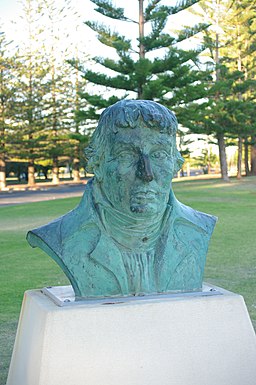
The first Europeans to visit the area were the Dutch, who landed at the nearby town of Vlamingh in 1696. However, it was not until 1826 that the first permanent settlers, the Bussell family, arrived in the area and established a farm.
In the early days, they referred to the area as Amity, and it served as a base for the British garrison stationed in the region. They officially renamed the town Busselton in 1835, honouring Captain Bussell, who served as the commander of the outpost.
How Busselton Got its Name
The town began to grow in the 1830s as more settlers arrived in the area. Attracted by the rich soil and good climate. By 1838, there were around 20 families living in the area, and a school had been established. In 1839, they officially gazetted and named the town Busselton in recognition of the Bussell family.
Busselton was first established in 1832 by the Bussell family, who were amongst the first settlers in the area. They named the town after Captain Bussell, who led the party that initially explored the region.
Moreover, they first surveyed the town in 1832 and established military barracks there in 1838. They constructed the town’s first jetty in 1841. It quickly gained significance as a crucial port for the region. They established the region’s first school in Busselton in 1848, and the town achieved municipality status in 1861.
The Bussells were instrumental in the development of the town and the surrounding region. They built the first jetty in 1841, which was used to export timber and wool from the area. They also utilised the jetty as a landing point for ships travelling to and from the Swan River Colony. The Bussells also established the region’s first post office and school.
The Goldrush Years
The 1850s saw a boom in the town’s population and economy. With the discovery of gold in the nearby areas of Margaret River and Yallingup. This led to an influx of prospectors and miners to the town, boosting its population even further.
In the 1860s, the town became an important port for the shipping of wool and timber from the surrounding region. It was also during this time that the town’s first newspaper, the Busselton Times, was established.
The 1870s saw a decline in the town’s fortunes. However, as the gold rush ended and many of the miners left the area. The population of the town began to decline as well.
The town began to recover in the 1880s. However, with the establishment of a number of new industries, including a sawmill and a jam factory. The construction of a new jetty in 1885 also helped to boost the town’s economy.
The town continued its growth in the early 20th century with the construction of several new schools and churches. The population of the town reached its peak in the 1960s, with over 5,000 people living in the area.
The town grew steadily throughout the 19th century. By the early 20th century, it was a thriving port and holiday destination.
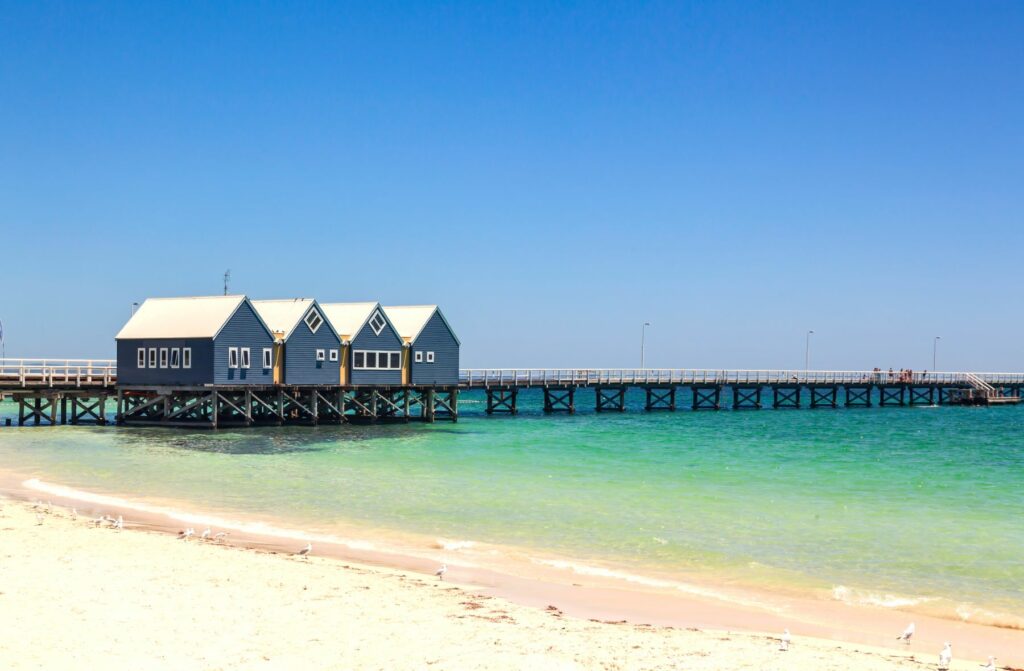
They completed the construction of the Busselton Jetty, which holds the title of being the longest wooden jetty in the southern hemisphere, in 1867. The jetty was originally built to allow for the loading and unloading of cargo ships. But it soon became a popular tourist attraction.
The People of Busselton
The Noongar people first inhabited the area around Busselton. The Noongar people used the area for fishing and hunting. The first European settlers arrived in the area in 1832. The settlers established farms and vineyards. Originally, they named Busselton ‘The Vasse’ after a river that runs through the town. The town was renamed Busselton in 1835.
In 1841, the first jetty was built in Busselton. They used the jetty for loading and unloading cargo from ships. They extended the jetty several times, and it is now the longest wooden jetty in the world, measuring 1.8 kilometres in length.
In 1850, the Busselton Town site was gazetted. The town began to grow, and by 1871 the population had reached 500.
They completed the Busselton to Bunbury railway line in 1881. The railway line helped to boost the town’s economy.
In recent years, Busselton has become a popular tourist destination. With thousands each year staying in the various accommodation options and resorts in Busselton. The town’s proximity to the Margaret River wine region and the beautiful beaches of the South West. Attract visitors from all over Australia and overseas.
Busselton Jetty
The Busselton Jetty is the town’s most popular tourist attraction. They originally built the jetty to load and unload cargo from ships.. The jetty is now a popular fishing spot. People also use it for leisure activities such as swimming, walking, and cycling.
The town of Busselton is a vibrant and thriving community. The town has a rich history and is a popular tourist destination.
Conclusion: History of Busselton
Busselton is a coastal town in Western Australia. It has a rich and diverse history that dates back to its indigenous Noongar inhabitants. As well as the early days of European settlement. The town’s evolution, from its early days as a British garrison. To become a bustling port and a popular tourist destination. Is a testament to its resilience and adaptability. Today, people know Busselton for its iconic jetty and beautiful beaches. As well as its role as a gateway to the Margaret River wine region. Making it a vibrant and thriving community with a fascinating past and an exciting future.
At Amalfi Resort, we encourage you to look into the rich history of Busselton while you stay with us at our Busselton accommodation in WA.
Discover Busselton
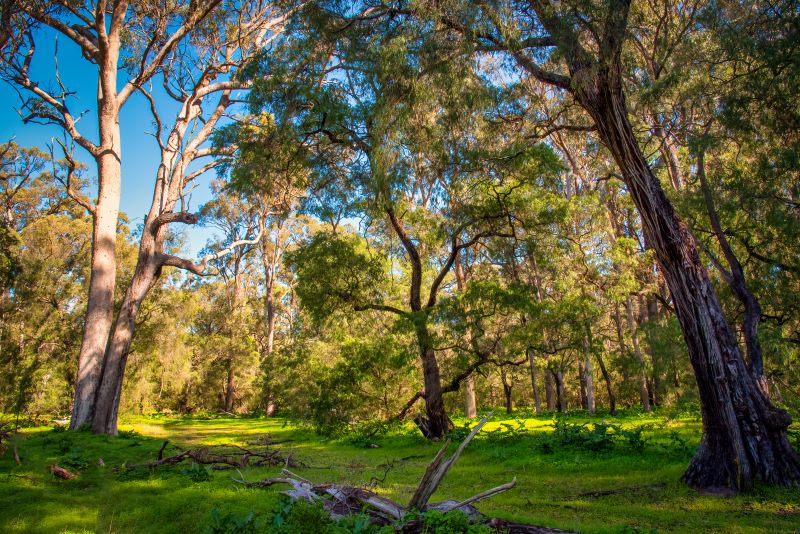
The Tuart Forest National Park: It’s A Natural Stunning Sanctuary
Situated within the picturesque landscapes of Western Australia lies a true natural gem – Tuart…

10 Spectacular Things To Do in Busselton Australia
At Amalfi Resort, we are a Busselton Beach Resort that likes to recommend things to…

Unveiling Margaret River: It’s An Unsurpassed Journey Into Paradise
Nestled in the heart of Western Australia, the Margaret River region unfolds as a multifaceted…

Margaret River: A Tapestry of Nature, Wine, Adventure, and Culinary Delights
Nestled in the southwestern corner of Australia, the Margaret River region stands as a testament…